2025
Tim Gerrits
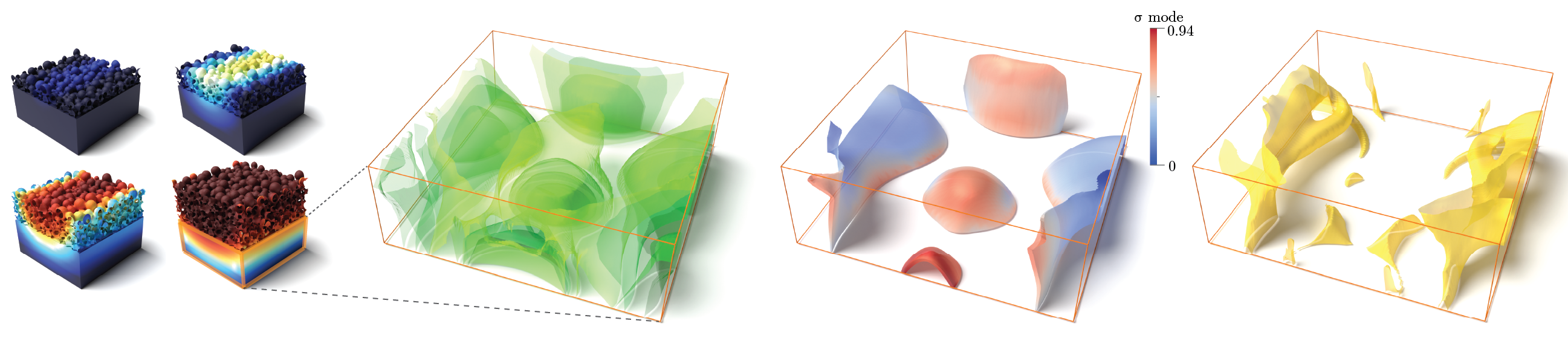
Uncertain Mode Surfaces in 3D Symmetric Second-Order Tensor Field
Ensembles
2025 IEEE VIS
2025 IEEE VIS
To be published
2025
Tim Gerrits
Marcel Krüger
NHR Young Researcher Exchange Program
Funded Project Collaboration between NHR and JHPCN
Funded Project Collaboration between NHR and JHPCN
3-Month Research Stay at the University of Tokyo, Japan
2025
Christian Hörath
David Derichs
Lara Eyl
Oliver Kallenberg
Tim Gerrits
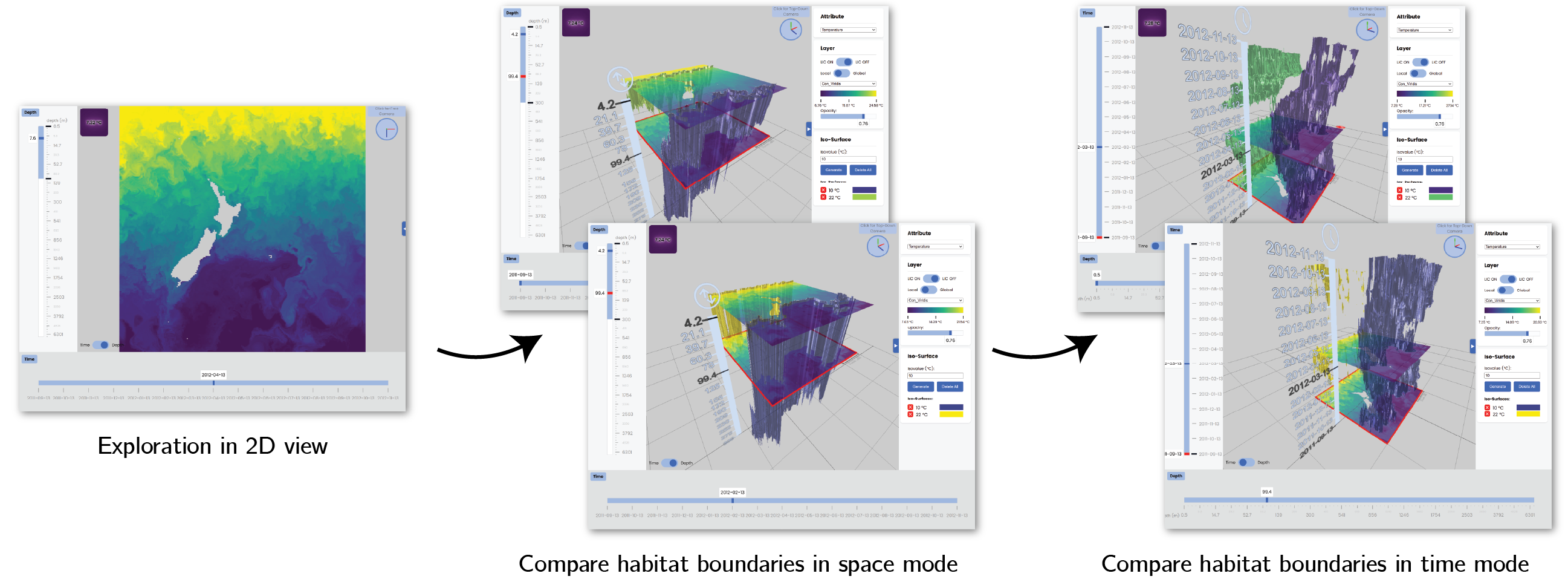
DeepSwitch - A Web-based Tool for the Introduction to Visual Analysis of Spatiotemporal Processes in Oceanographic Data
Visualization in Environmental Sciences 2025 (EnvirVis 2025), EuroVis 2025
Visualization in Environmental Sciences 2025 (EnvirVis 2025), EuroVis 2025
2025
Jens Koenen
Simon Oehrl
Torsten W. Kuhlen
Tim Gerrits
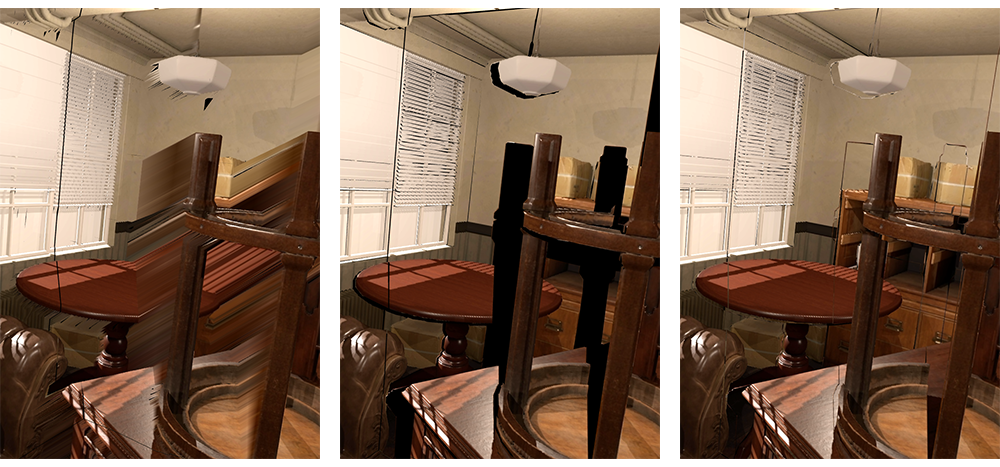
Interactive Streaming of 3D Scenes to Mobile Devices using Dual-Layer Image Warping and Loop-based Depth Reconstruction
Journal of WSCG, 2025
Journal of WSCG, 2025
2025
Marcel Krüger
Torsten W. Kuhlen
Tim Gerrits
Enabling Modular In-situ Workflows through CatalystMaestro and CatalystComposer
E.C. (eds) High Performance Computing. ISC High Performance 2025. Lecture Notes in Computer Science
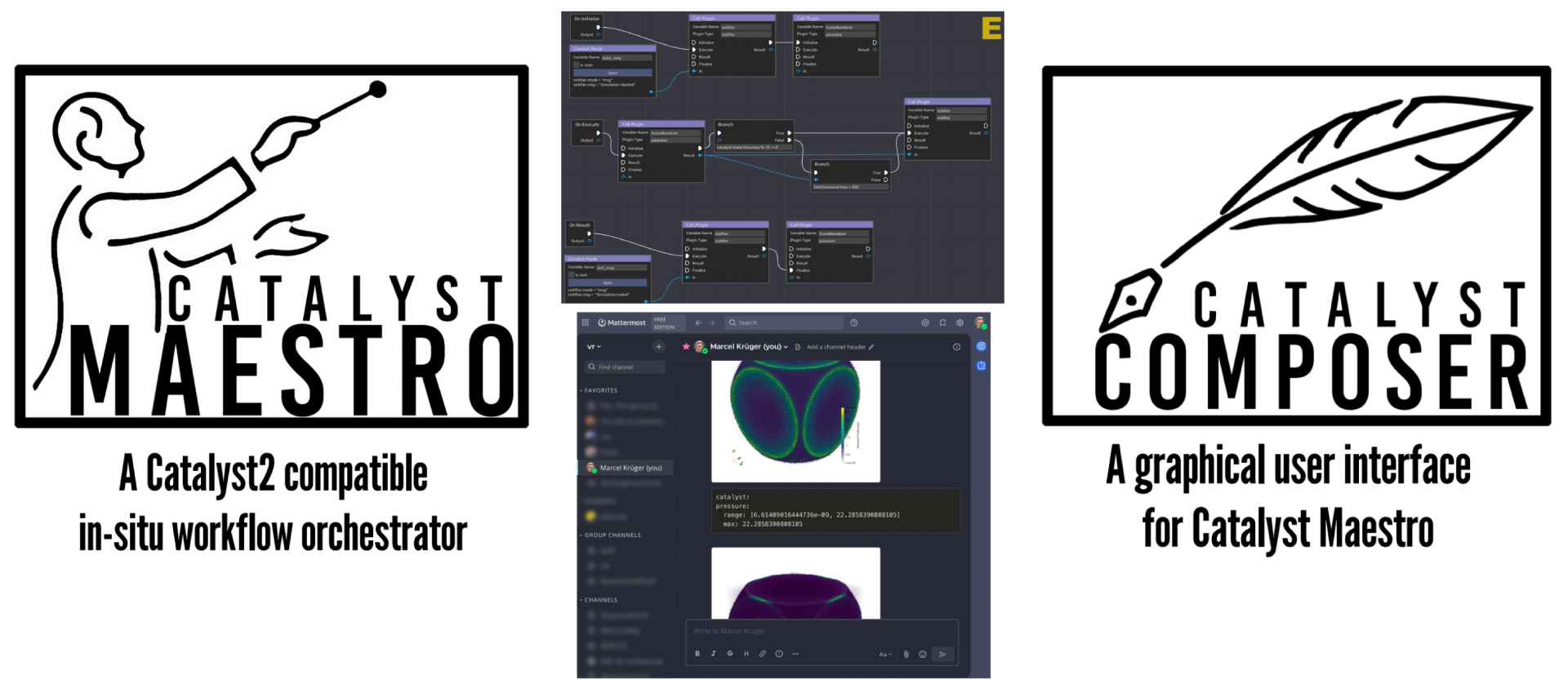
E.C. (eds) High Performance Computing. ISC High Performance 2025. Lecture Notes in Computer Science
2024
Tadea Schmitz
Tim Gerrits
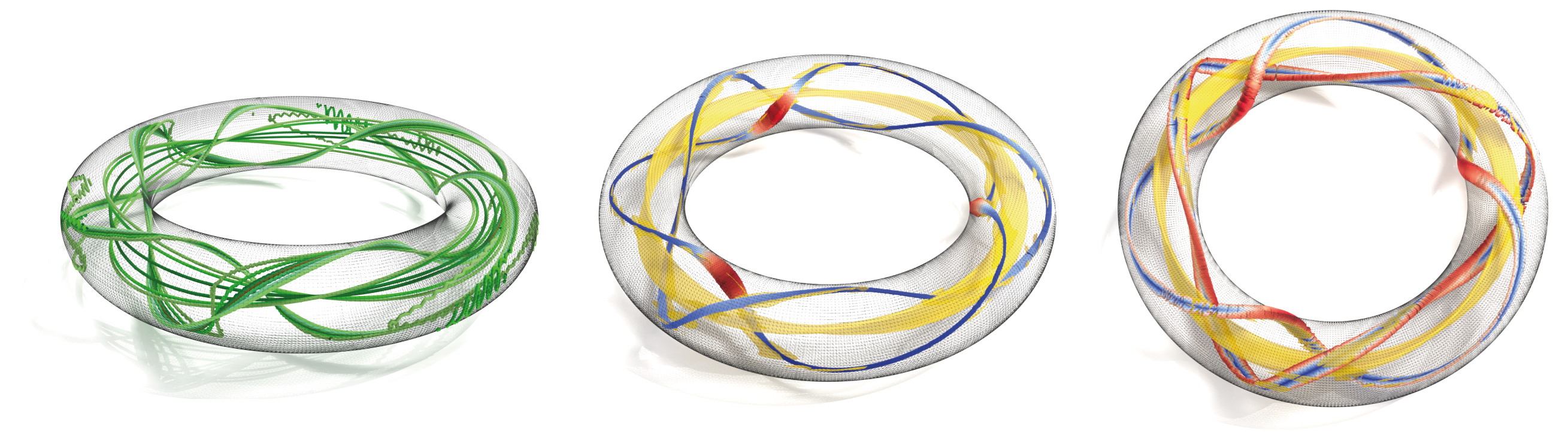
Exploring Uncertainty Visualization for Degenerate Tensors in 3D Symmetric Second-Order Tensor Field Ensembles
2024 IEEE Workshop on Uncertainty Visualization: Applications, Techniques, Software, and Decision Frameworks
2024 IEEE Workshop on Uncertainty Visualization: Applications, Techniques, Software, and Decision Frameworks
Best Paper Award
2024
Hennes Rave
Marina Evers
Tim Gerrits
Lars Linsen
Region-based Visualization in Hierarchically Clustered Ensemble Volumes
The Symposium on Vision, Modeling, and Visualization (VMV), 2024
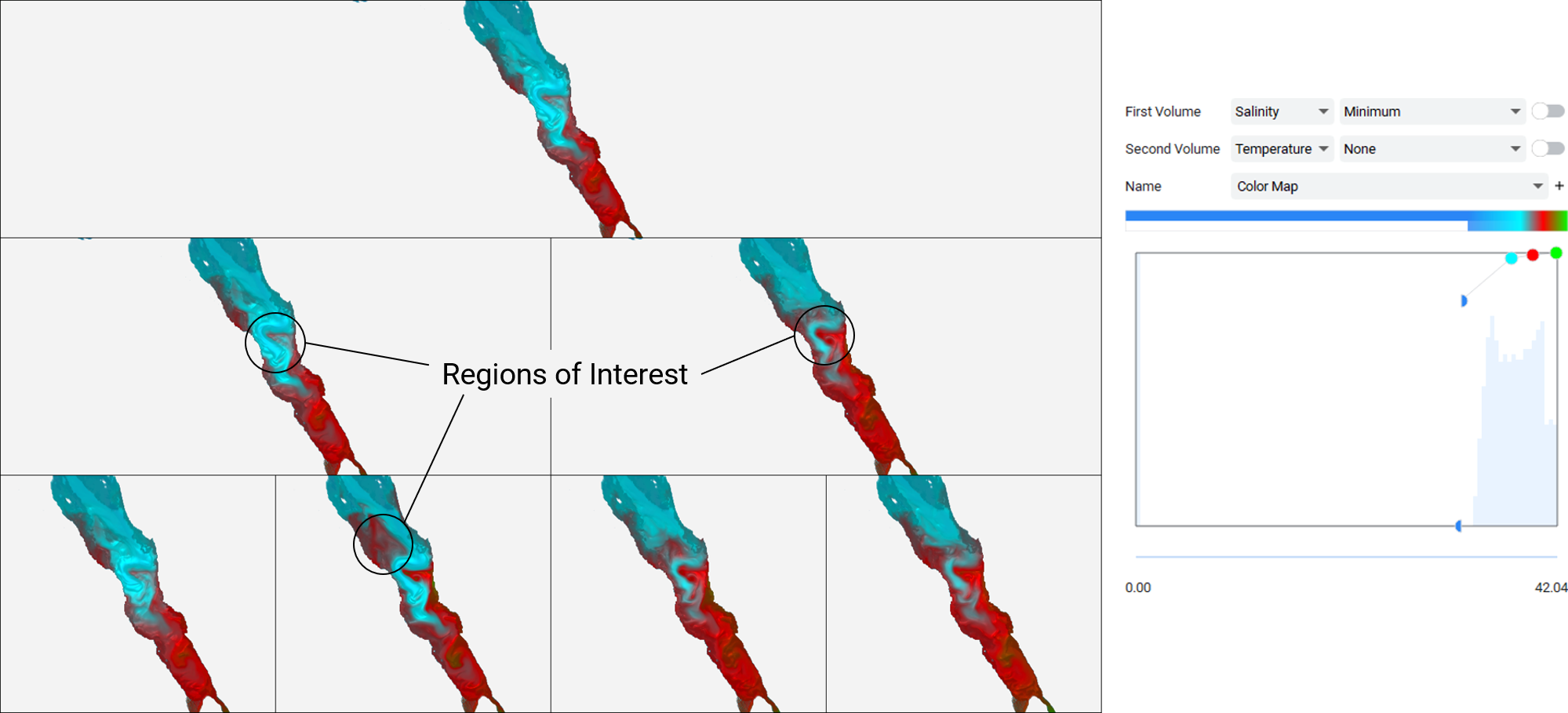
The Symposium on Vision, Modeling, and Visualization (VMV), 2024
2024
Jens Koenen
Marvin Petersen
Christoph Garth
Tim Gerrits
DaVE - A Curated Database of Visualization Examples
IEEE VIS 2024

IEEE VIS 2024
2024
Marcel Krüger
Jan Frieder Milke
Torsten W. Kuhlen
Tim Gerrits
InsitUE - Enabling Hybrid In-situ Visualizations through Unreal Engine and Catalyst
Springer Lecture Notes (7th International Workshop on In Situ Visualization, ISC 2024)
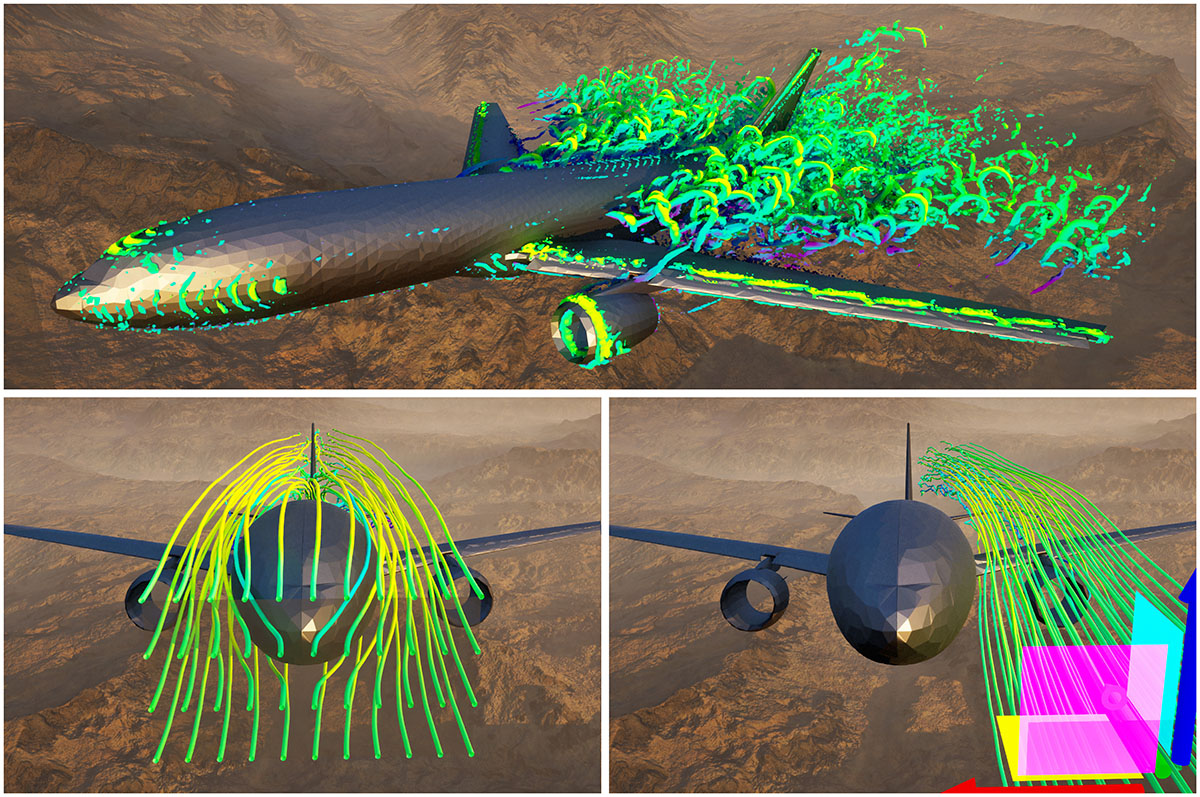
Springer Lecture Notes (7th International Workshop on In Situ Visualization, ISC 2024)
2024
Marcel Krüger
David Gilbert
Torsten W. Kuhlen
Tim Gerrits
Game Engines for Immersive Visualization: Using Unreal Engine Beyond Entertainment
PRESENCE: Virtual and Augmented Reality
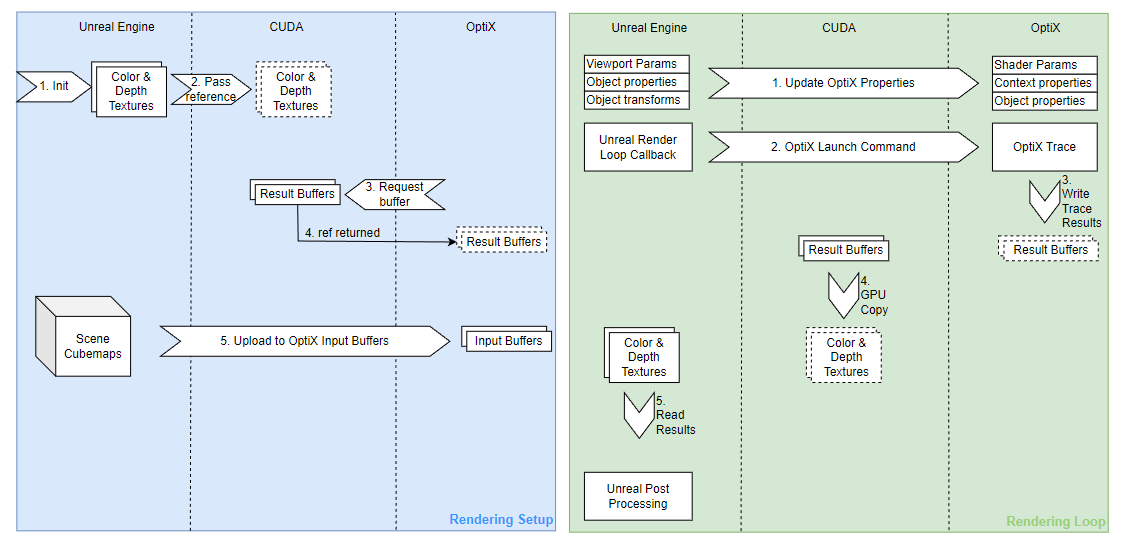
PRESENCE: Virtual and Augmented Reality
2024
Tim Weissker
Matthis Franzgrote
Torsten W. Kuhlen
Tim Gerrits
On the Computation of User Placements for Virtual Formation Adjustments during Group Navigation
IEEE Conference on Virtual Reality and 3D User Interfaces Abstracts and Workshops (VRW), 2024
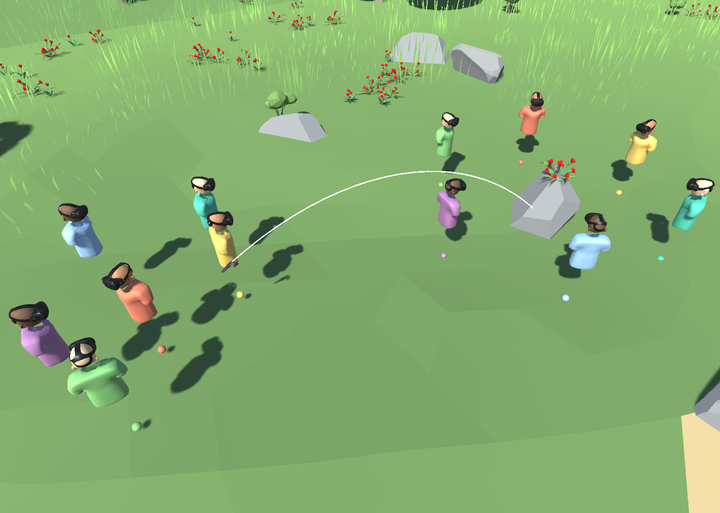
IEEE Conference on Virtual Reality and 3D User Interfaces Abstracts and Workshops (VRW), 2024
2024
Marcel Krüger
Tim Gerrits
Timon Römer
Torsten W. Kuhlen
Tim Weissker
IntenSelect+: Enhancing Score-Based Selection in Virtual Reality
IEEE Transactions on Visualization and Computer Graphics, 2024
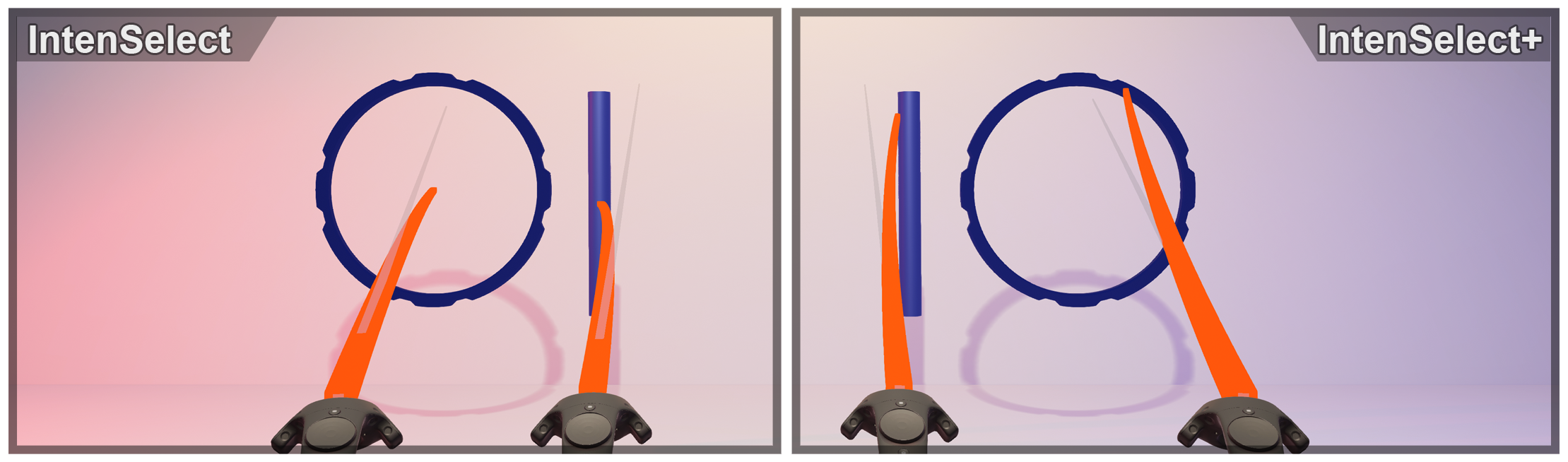
IEEE Transactions on Visualization and Computer Graphics, 2024
2024
Tim Gerrits
Fabian Czappa
Divya Banesh
Felix Wolf
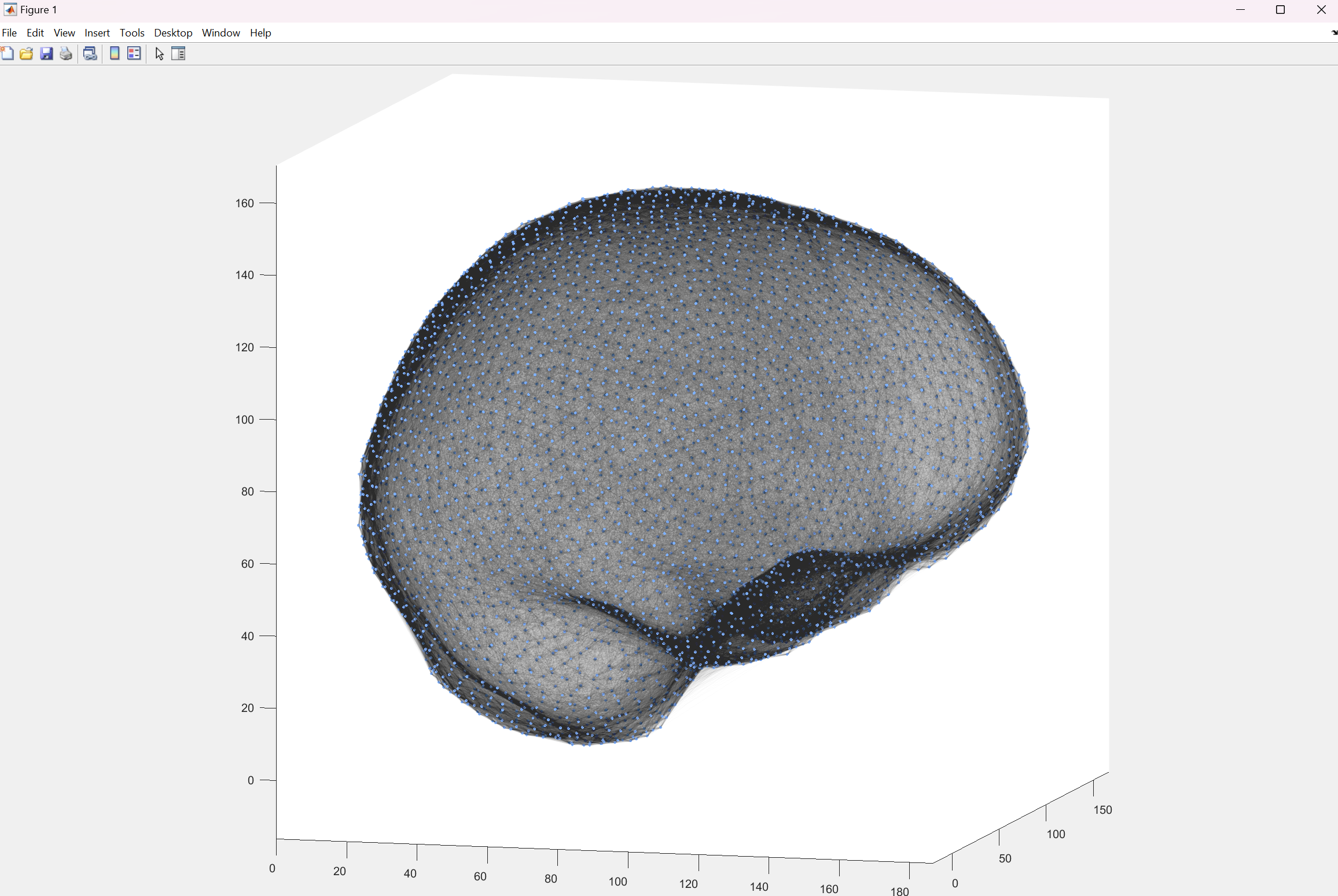
IEEE SciVis Contest 2023 - Dataset of Neuronal Network Simulations of the Human Brain
IEEE SciVis Contest 2023, 2023
IEEE SciVis Contest 2023, 2023
Data Publication
2023
Tim Gerrits
Christoph Garth
DaVE - A curated Database of Visualization Examples
NHR Conference, 2023
NHR Conference, 2023
Project Poster

2023
Simon Oehrl
Jan Frieder Milke
Jens Koenen
Torsten W. Kuhlen
Tim Gerrits
Leveraging BC6H Texture Compression and Filtering for Efficient Vector Field Visualization
The Symposium on Vision, Modeling, and Visualization (VMV), 2023

The Symposium on Vision, Modeling, and Visualization (VMV), 2023
2023
Marcel Krüger
Simon Oehrl
Torsten W. Kuhlen
Tim Gerrits
A Case Study on Providing Accessbility-Focused In-Transit Architectures for Neural Network Simulation and Analysis
Springer Lecture Notes (6th International Workshop on In Situ Visualization, ISC 2023)
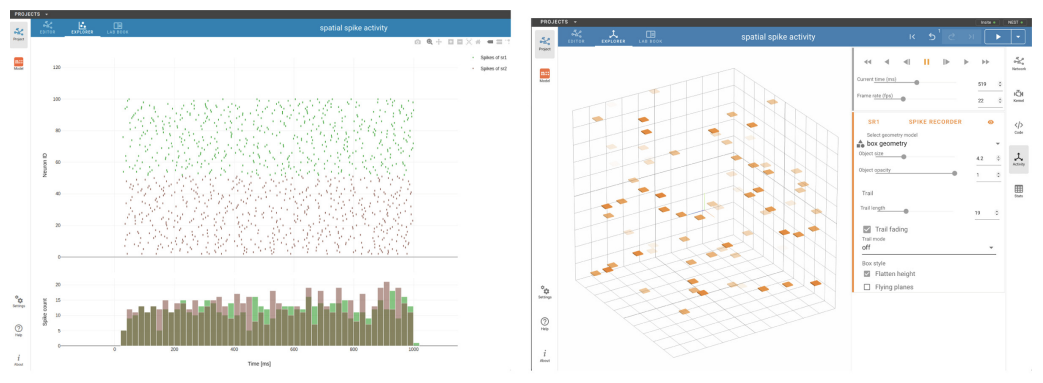
Springer Lecture Notes (6th International Workshop on In Situ Visualization, ISC 2023)
2023
Marcel Krüger
Tim Gerrits
Torsten W. Kuhlen
Banjamin Weyers
Insite Pipeline - A Pipeline Enabling In-Transit Processing for Arbor, NEST and TVB
Human Brain Project Summit, 2023
Human Brain Project Summit, 2023
Research Poster

2023
Marcel Krüger
Qin Li
Torsten W. Kuhlen
Tim Gerrits
A Case Study on Providing Immersive Visualization for Neuronal Network Data Using COTS Soft- and Hardware
IEEE VR Workshop on Immersive Visualization Laboratories - Past, Present and Future, 2023
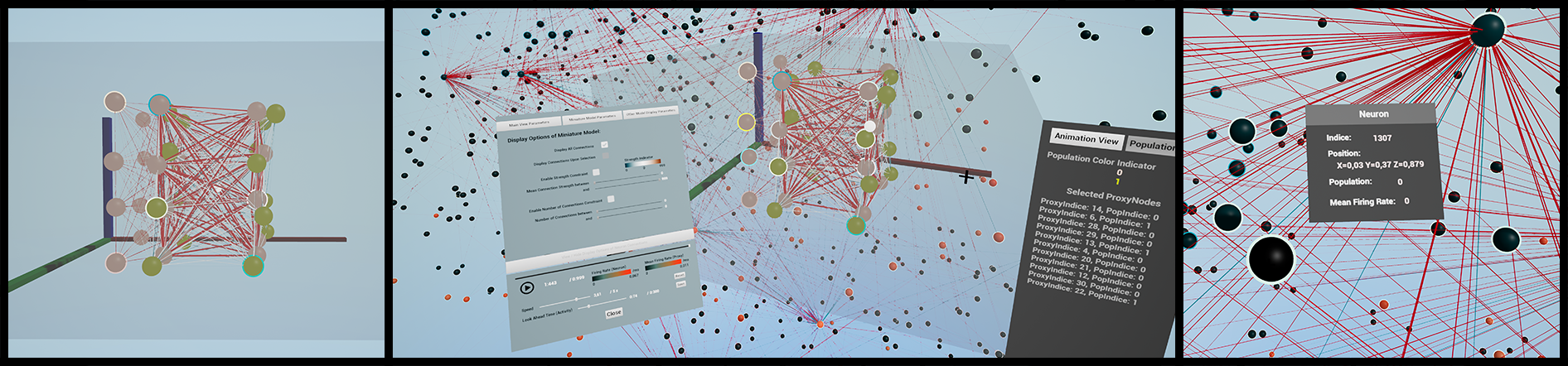
IEEE VR Workshop on Immersive Visualization Laboratories - Past, Present and Future, 2023
2023
Tim Gerrits
Christoph Garth
DaVE – A curated Database of Visualization Examples
NHR Future Project
NHR Future Project
Accepted project proposal for one year.
2022
Ali Demiralp
Marcel Krüger
Tim Gerrits
MODE: A modern ordinary differential equation solver for C++ and CUDA
AIP Conference Proceedings
AIP Conference Proceedings
Accepted at the International Conference Of Numerical Analysis And Applied Mathematics (ICNAAM22), published in the 2023 proceedings.
2022
Ali Demiralp
Philipp Martin
Niko Sakic
Marcel Krüger
Tim Gerrits
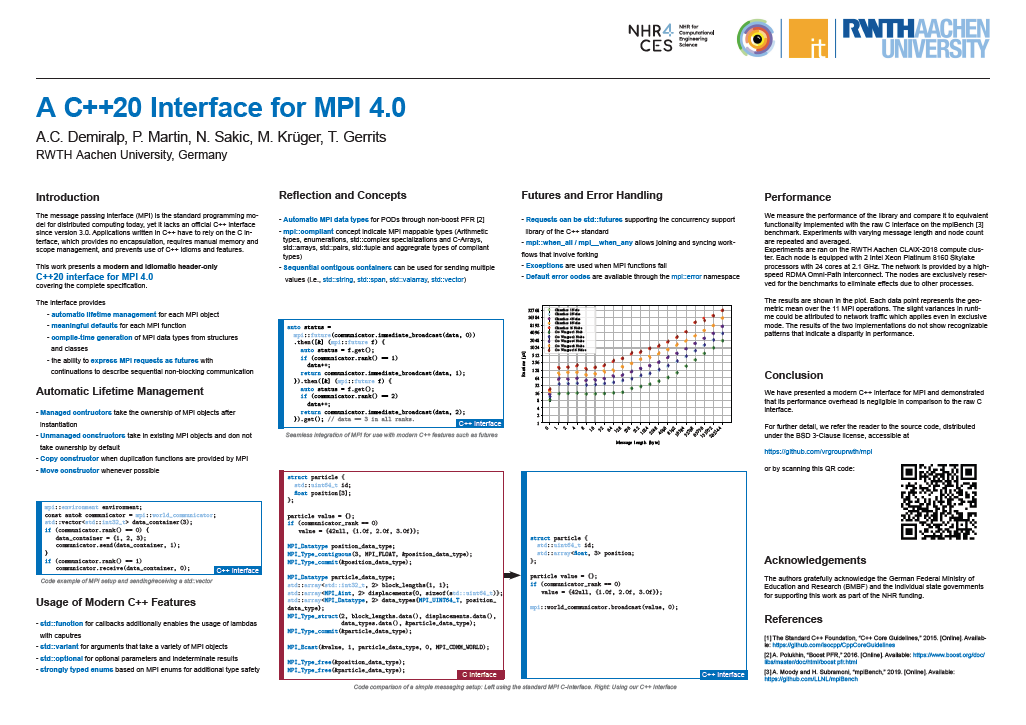
A C++20 Interface for MPI 4.0
The International Conference for High Performance Computing, Networking, Storage, and Analysis (SC22), 2022
The International Conference for High Performance Computing, Networking, Storage, and Analysis (SC22), 2022
Research Poster
2022
Ali Demiralp
Marcel Krüger
Chu-I Chao
Torsten Kuhlen
Tim Gerrits
Astray: A Performance-Portable Geodesic Ray Tracer
The Symposium on Vision, Modeling, and Visualization (VMV), 2022

The Symposium on Vision, Modeling, and Visualization (VMV), 2022
2022
Karl Heimes
Marina Evers
Tim Gerrits
Sandeep Gyawali
David Sinden
Tobias Preusser
Lars Linsen
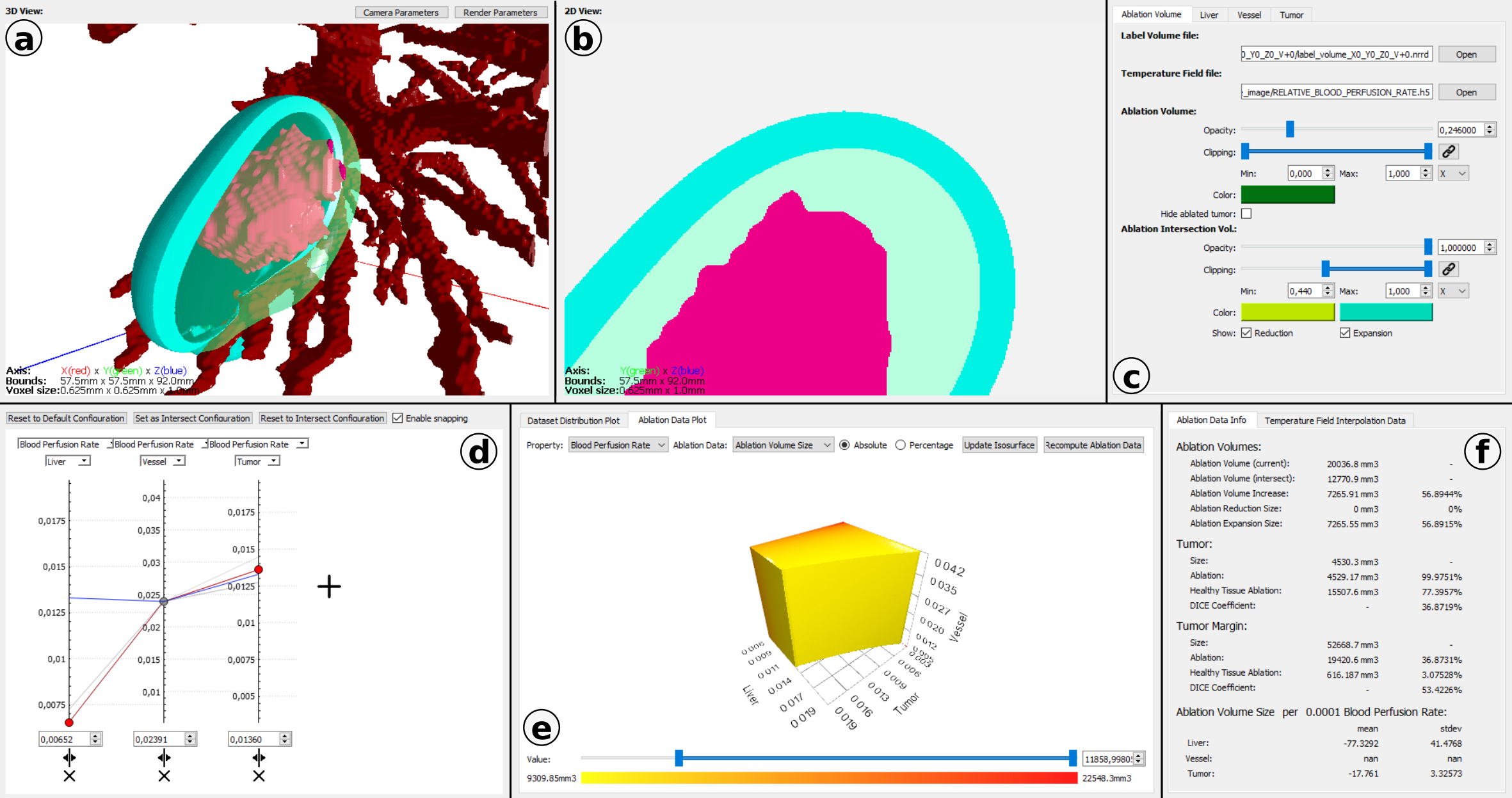
Studying the Effect of Tissue Properties on Radiofrequency Ablation by Visual Simulation Ensemble Analysis
12th Eurographics Workshop on Visual Computing for Biology and Medicine (EG VCBM), 2022
12th Eurographics Workshop on Visual Computing for Biology and Medicine (EG VCBM), 2022
Honorable Mention Full Paper Award
2022
Ali Demiralp
Dirk Helmrich
Joachim Protze
Torsten Kuhlen
Tim Gerrits
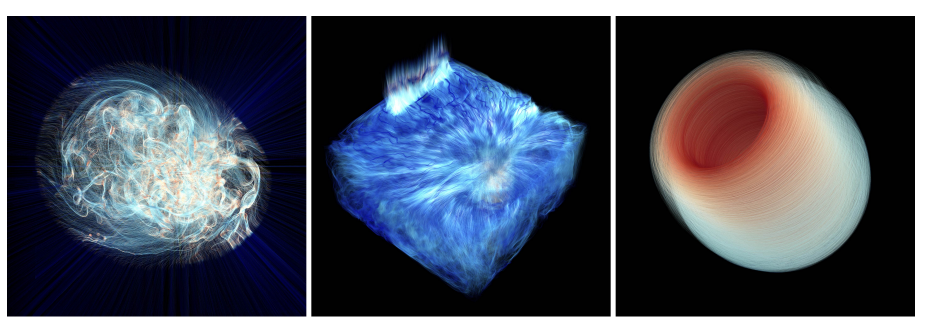
Performance Assessment of Diffusive Load Balancing for Distributed Particle Advection
Journal of WSCG, 2022
Journal of WSCG, 2022
2022
Hennes Rave
Johannes Fincke
Steffen Averkamp
Beate Tangerding
Luca P. Wehrenberg
Tim Gerrits
Karim Huesmann
Simon Leistikow
Lars Linsen
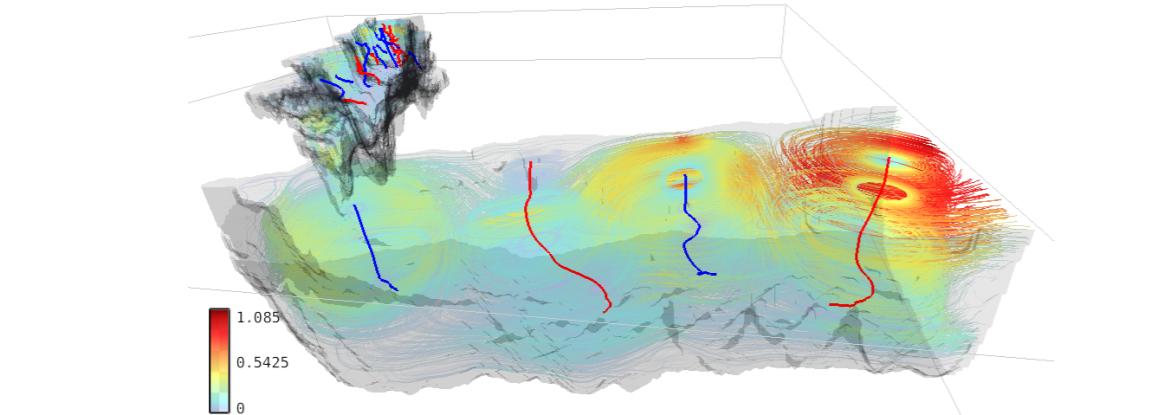
Multi-faceted Visual Analysis of Oceanographic Simulation Ensemble Data
IEEE Computer Graphics and Applications, 2022
IEEE Computer Graphics and Applications, 2022
Publication based on the winning entry of the SciVis Contest at the IEEE VIS 2020 conference.
2022
Marcel Krüger
Simon Oehrl
Ali C. Demiralp
Sebastian Spreizer
Jens Bruchertseifer
Torsten W. Kuhlen
Tim Gerrits
Benjamin Weyers
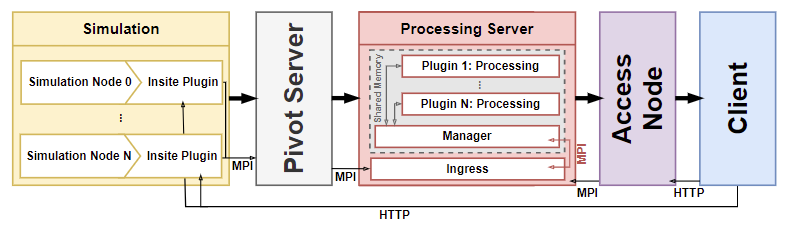
Insite: A Pipeline Enabling In-Transit Visualization and Analysis for Neuronal Network Simulations
Springer Lecture Notes (6th International Workshop on In Situ Visualization, ISC 2022)
Springer Lecture Notes (6th International Workshop on In Situ Visualization, ISC 2022)
2022
Tim Gerrits
Bringing Visualization to National HPC Infrastructure:
A Prologue
6th International Workshop on In Situ Visualization, ISC 2022
6th International Workshop on In Situ Visualization, ISC 2022
Keynote Presentation
PhD. Publications
2021
Tim Gerrits
Visualization of Second-Order Tensor Data and Vector Field Ensembles
Dissertation

Dissertation
2019
Tim Gerrits
Christian Rössl
Holger Theisel
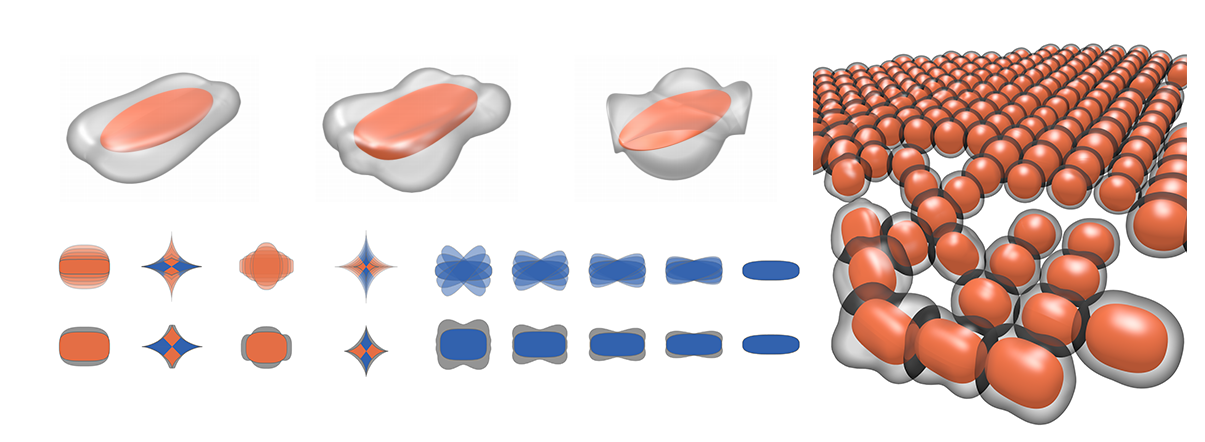
Towards Glyphs for Uncertain Symmetric Second-Order Tensors
Computer Graphics Forum (Proc. EuroVis), 2019
Computer Graphics Forum (Proc. EuroVis), 2019
Assuming Gaussian Uncertainty, This Work Proposes an Extension to Known Glyph Constructions. The Uncertainty is Represented as a Scalar Field That Lives On the Glyph Surface Which Allows for a Complete and Unique Encoding.
2018
Tim Gerrits
Christian Rössl
Holger Theisel
An Approximate Parallel Vectors Operator for Multiple Vector Fields
Computer Graphics Forum (Proc. EuroVis), 2018
Computer Graphics Forum (Proc. EuroVis), 2018
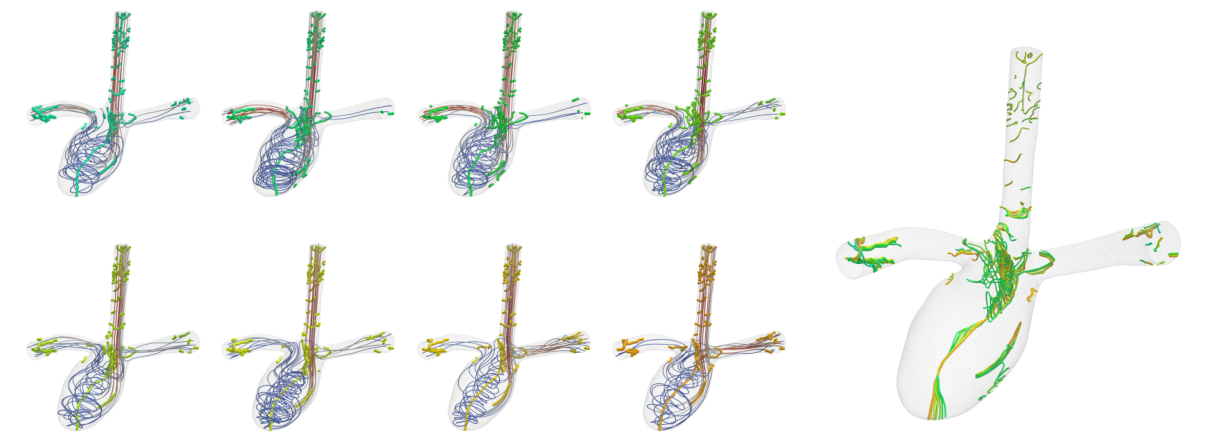
The Approximate Parallel Vectors (APV) Operator is a Generic Feature Extraction Method for Vector Field Ensembles. It Extracts Features at Locations, Where All Input Vectors are Approximately Parallel by Generating Two New Vector Fields From All Input Fields and Applying a Parallel Vectors (PV) Operator.
2018
Timo Oster
Abouelmagd Abdelsamie
Michael Motejat
Tim Gerrits
Christian Rössl
Dominique Thevenin
Holger Theisel
On-The-Fly Tracking of Flame Surfaces for the Visual Analysis of Combustion Processes
Computer Graphics Forum, 2018
Computer Graphics Forum, 2018
2017
Tim Gerrits
Christian Rössl
Holger Theisel
Glyphs for Space-Time Jacobians of Time-Dependent Vector Fields
Journal of WSCG, 2017
Journal of WSCG, 2017
As Jacobians are a Special Case of General Second-Order 2D and 3D Tensors, an Extension to the 2D and 3D Tensor Glyph Design is Introduced. These Glyphs Are Capable to Additionally Encode the Temporal Information Given by a Time-Dependent Jacobian by Chosing An Appropriate Mapping From an Higher Dimension Into the Visualization Subspace.

2017
Tim Gerrits
Christian Rössl
Holger Theisel
Glyphs for General Second-Order 2D and 3D Tensors
IEEE Transactions on Visualization and Computer Graphics
(Proc. IEEE Scientific Visualization 2016)
IEEE Transactions on Visualization and Computer Graphics
(Proc. IEEE Scientific Visualization 2016)
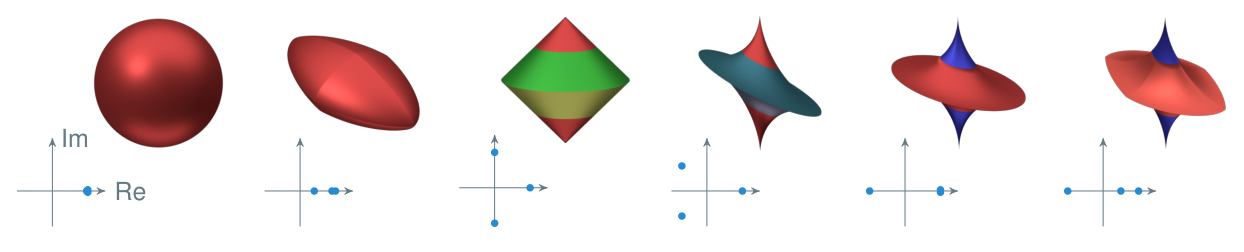
A New Construction For Tensor Glyphs That are Able to Represent General Second-Order 2D and 3D Tensors. This Includes Non-Symmetric Tensors Where Eigenvectors are Non-Orthogonal or Eigenvalues are Complex Valued. These Glyphs are Constructed Using Piecewise Rational Bezier Curves and Surfaces Following A Strict Set of Properties.
Selected Student Projects
October, 2015
Tim Gerrits
Master Thesis
Eulerian Flow Field Reconstruction From Lagrangian Trajectories
Eulerian Flow Field Reconstruction From Lagrangian Trajectories
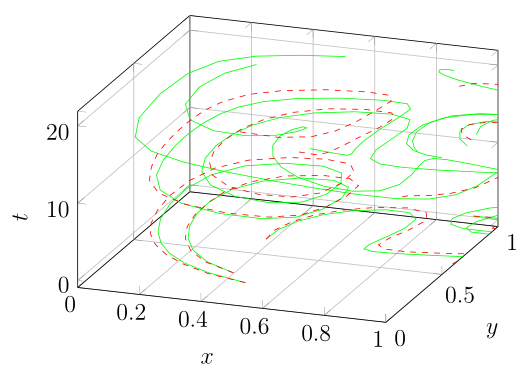
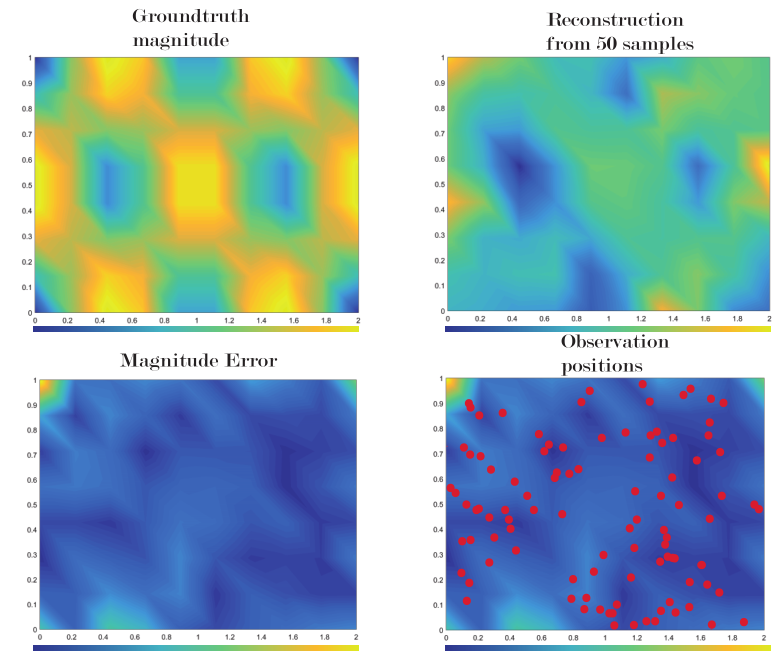
A flow field can be described in two distinct ways: The Eulerian and the Lagrangian de- scription. Particle Tracking Velocimetry (PTV) for example is a measurement technique that results in trajectory data in Lagrangian description. Several numerical methods however de- mand the field to be described in Eulereian terms, such as velocity vectors on structured grids. In this thesis, a technique to reconstruct an Eulerian flow field by means of a combi- nation of local bilinear interpolation and regularized least squares, that incorporates model knowledge and spatio-temporal coherence is developed. Further, a framework is introduced to test the approach on different versions of flow fields.
July, 2015
Tim Gerrits
Johannes Patzschke
GIST Feature Extraction From
Shallow Convolutional Neural Networks
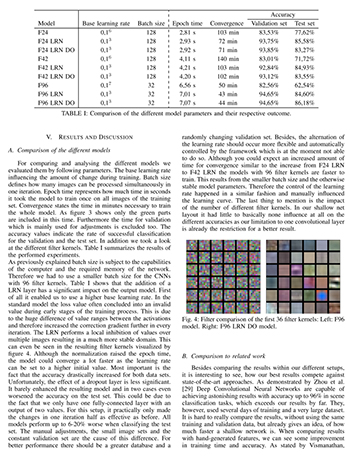
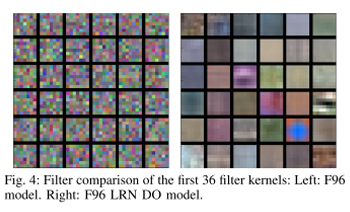
Despite its complexity, Convolutional Neural Networks (CNNs) have grown to become a leading technology in object recognition for research and industry purposes. This is achieved by using huge datasets like Imagenet and long training periods of network models with several hidden layers to generate high level features for classification. However, these so called deep networks were found to be inefficient for scene classification so other databases like the Places database were introduced to train networks for this purpose. The high complexity of common CNN topologies as well as the huge size of training sets for generating features renders CNNs to be impractical. In this paper, we present our work on generating two-class scene classification features with fast and simple CNNs. To do so, we implemented different network models with varying but reduced complexity, trained on the same dataset and compared the results in terms of accuracy and time used while increasing the complexity gradually. We were able to show, that a shallow network can compete with state-of-the-art deep networks or hand-generated features. This was done in the context of a scientific team project supervised by Prof. Tönnies at the Otto-von-Guericke University of Magdeburg.
February, 2015
Tim Gerrits
Anneke Meyer
Robin Richter
Semi-automatic Catheter Reconstruction
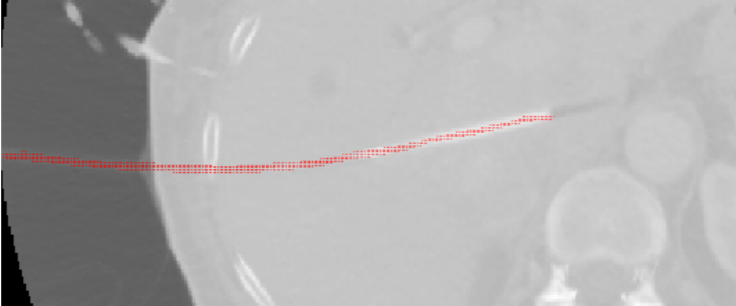
High-dose-rate (HDR) brachytherapy is a type of internal radiation therapy that delivers high doses of radiation from implants placed close to, or inside, the tumor(s) in the body. To generate a computer-assisted radiation plan, it is necessary to segment the catheters placed in the body. In this project, we implemented and evaluated a semi-automatic algorithm to segment a catheter using an oriented LoG-Filter. The basic approach was to determine the main direction of the catheter and use this information to align the LoG-Filter. Additional filtering steps improved the results. With this simple method, we obtained results of 0.9 overlap per catheter.
The code was was written in MATLAB and applied to Computed Tomography scans.
January, 2015
Tim Gerrits
Anneke Meyer
Robin Richter
Face Biometrics
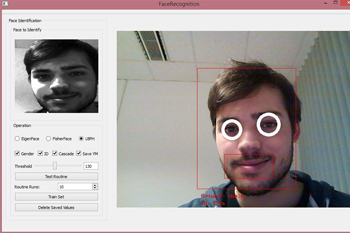
The project aimed at producing an application that would allow for face detection as well as recoginition. Several different approaches have been implemented to compare results and performance. This included Eigenfaces, Fisherfaces and Local Binary Patterns Histogram. Further, a dataset for different face recognition tasks has been introduced as well as a realtime face, gender and liveliness detection.
The code was written in C++. The GUI was realized with the QT framework and the computer vision algorithms were provided by OpenCV.
April, 2014
Tim Gerrits
Bachelor Thesis
Untersuchung von Methoden zum automatischen Einbetten fotorealistischer Objekte in Szenen ohne zusätzlicher Szeneninformationen
Untersuchung von Methoden zum automatischen Einbetten fotorealistischer Objekte in Szenen ohne zusätzlicher Szeneninformationen
This thesis analyzes the realistic integration of objects into scenes. Commonly used methods, as well as their conditions and restrictions are explained, followed by the question, whether an automatic embedding process can be realized, even though the scene information is restricted to one low dynamic range image only. Therefore, different methods in the field of Style Transfers are discussed and implemented, as they try to transfer image characterstics from one image to another. An additional, own approache is then introduced, which uses an automatic white balancing algorithm to transfer illumination information from the scene to and embedded object. The results are rated in a user study about the visual quality of the computed images. The results show, that none of the used methods produces very realistic integrations for all scenes tested right away, but offer potential for further investigation.
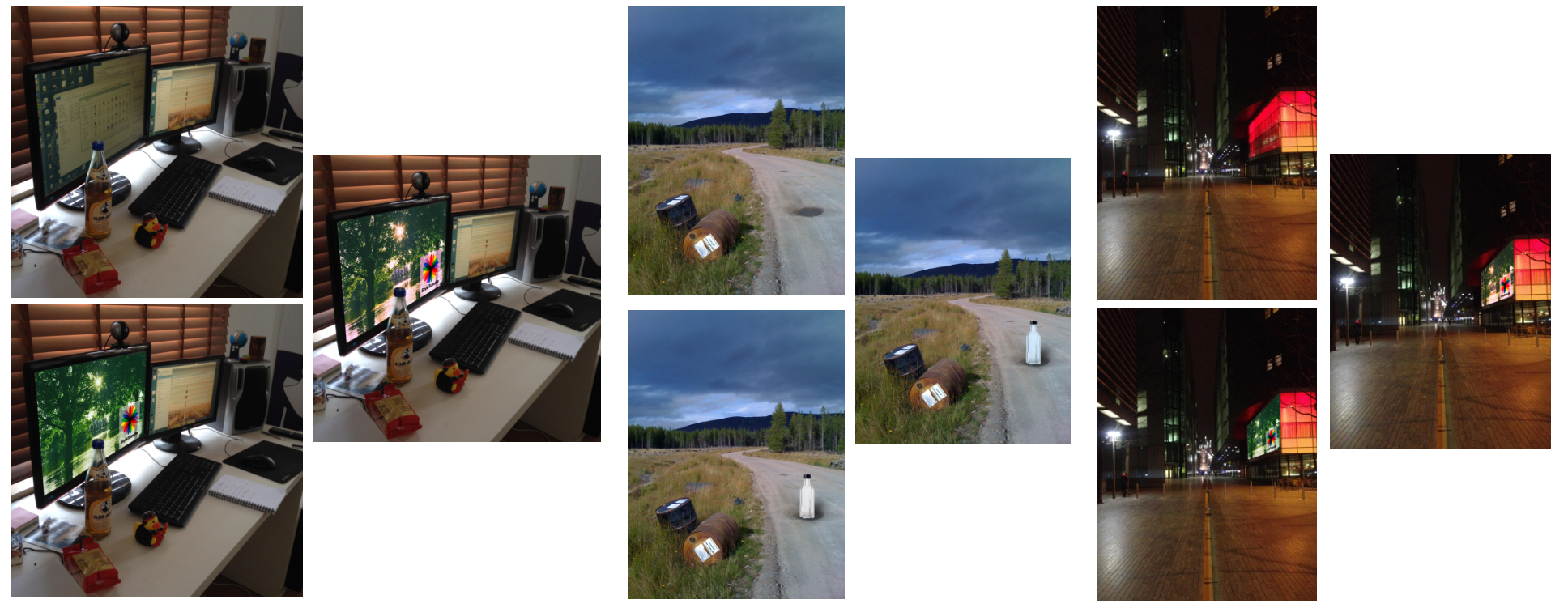
February, 2014
Tim Gerrits
Johannes Patzschke
Rene Höppner
Marker Based Augmented Reality
The project aimed at producing an application that would allow realtime rendering of 3D objects on 2D markers in a live video stream. Different types and numbers of markers as well as uploading .obj files of choice were supported.
The code was written in C++. The GUI was realized with the QT framework, marker detection and recognition was implemented using OpenCV and rendering was done by the use of OpenGL.
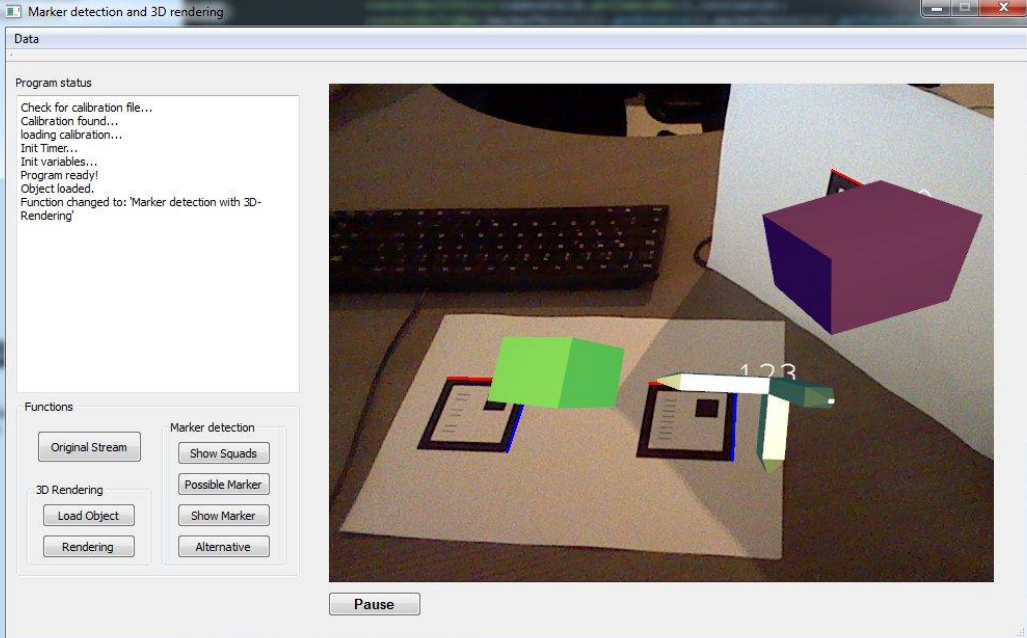
July, 2013
Tim Gerrits
Stefan Wegener
Movement Detection
The project aimed at producing an application that would detect moving elements in image series. Several datasets were given, including image sets with static as well as noisy backgrounds.
The code was written in C++. The GUI was realized with the QT framework and image processing supported by OpenCV.

February, 2013
Tim Gerrits
Johannes Patzschke
Realtime Object Detection
The project aimed at producing an application that would allow for the realtime detection of static objects in camera streams. Several different approaches of object detection have been implemented to compare results and performance. This included color detection, feature detection as well as template matching.
The code was written in C++. The GUI was realized with the QT framework and the computer vision algorithms were provided by OpenCV.

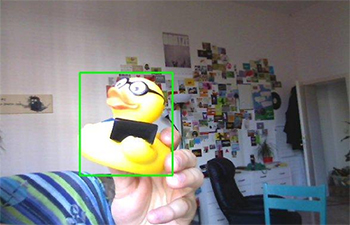
December, 2012
Tim Gerrits
Johannes Patzschke
Robin Richter
Eric Zimmermann
Short Movie Production - "Traumjob"
Final project for the subject "Einführung in die Allgemeine Pädagogik". The movie was produced over several weeks and included writing, filming, cutting and marketing. It was awarded the Golden Kangaroo and the Audience Award at the Magdeburg University Film Festival Videoexpo as well as first price at StudiMovie Magdeburg.
The full movie can be found here:
AG2 Traumjob